
Is die casting cheaper than CNC?
Die casting and CNC (Computer Numerical Control) machining are two different manufacturing processes, each with its own cost structure, advantages, and disadvantages. The cost-effectiveness of either method depends on several factors such as production volume, material, complexity of the part, and required tolerances. Here’s a comparison to help determine which process might be cheaper in different scenarios:
Die Casting
Advantages:
Cost per Part: Die casting becomes cost-effective for high-volume production due to lower per-part costs once the initial tooling is made.
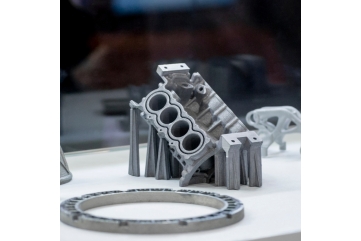
Complex Shapes: Can produce complex shapes with intricate details and thin walls that would be difficult or expensive to achieve with CNC machining.
Material Utilization: Less material waste compared to CNC machining, especially for complex geometries.
Disadvantages:
Initial Cost: High initial tooling costs due to the need for custom dies, which can be expensive.
Lead Time: Longer lead times for the creation of the die.
Material Limitation: Typically used for metals like aluminum, magnesium, and zinc, limiting the range of materials.
CNC Machining
Advantages:
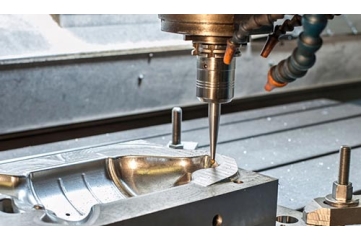
Flexibility: No need for custom tooling, making it ideal for prototypes, small batches, and custom parts.
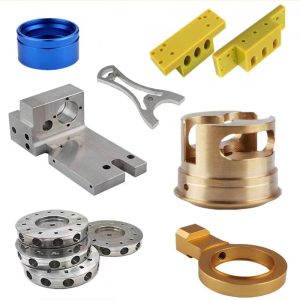
Material Variety: Can work with a wide range of materials, including metals, plastics, and composites.
Precision: High precision and tight tolerances can be achieved, suitable for critical components.
Disadvantages:
Cost per Part: Higher cost per part, especially for high volumes, due to longer machining times and material wastage.
Complex Shapes: More complex shapes can significantly increase machining time and cost.
Material Waste: More material waste compared to die casting, as parts are cut out from solid blocks.
Cost Comparison
Low to Medium Volume Production: CNC machining is typically cheaper for low to medium volume production because it doesn’t require expensive tooling.
High Volume Production: Die casting becomes more cost-effective as production volumes increase, amortizing the high initial tooling costs over a large number of parts.
Part Complexity: For simple parts, CNC machining might be cheaper regardless of volume. For complex parts, die casting can be more economical at higher volumes.
Material: If you need to use a material not suitable for die casting, CNC machining will be the necessary choice, even if it’s more expensive.
In summary, die casting tends to be cheaper for high-volume production of complex parts with suitable materials, while CNC machining is more cost-effective for low to medium volume production, prototypes, and parts requiring high precision or materials not suitable for die casting.