

How do you make a die cast mould?
Creating a die-cast mold involves several steps, but here’s a general overview of the process:
1. Designing the Mold: The first step is to design the mold according to the specifications of the desired product. This involves CAD (Computer-Aided Design) software to create a detailed blueprint of the mold.
2. Material Selection: Choose the appropriate material for the mold. Common materials include steel and aluminum, depending on factors such as durability, cost, and the number of parts to be produced.
3. Machining the Mold: Once the design is finalized, the mold is machined using CNC (Computer Numerical Control) machines or other machining processes. This involves cutting, milling, and shaping the material according to the CAD design.
4. Heat Treatment (Optional): Some molds may undergo heat treatment to improve their hardness, strength, and wear resistance, depending on the material used.
5. Surface Finishing: After machining, the mold’s surfaces may be polished or textured to achieve the desired finish on the final product.
6. Assembly: If the mold consists of multiple parts, they are assembled together to form the complete mold assembly.
7. Testing and Validation: Before production begins, the mold undergoes testing to ensure it meets quality standards and produces parts accurately.
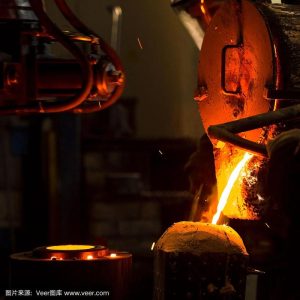
8. Production: Once the mold is validated, it is ready for use in the die casting process. Molten metal is injected into the mold cavity under high pressure, where it solidifies to form the desired product.
9. Maintenance: Regular maintenance of the mold is essential to ensure its longevity and continued accuracy in producing parts. This may involve cleaning, lubrication, and occasional repairs or replacements.
10. Storage and Inventory: Proper storage of the mold when not in use helps prevent damage and extends its lifespan. It’s also important to maintain an inventory of molds and track their usage for production planning purposes.
Creating a die-cast mold requires precision, expertise, and attention to detail to ensure the quality and consistency of the final products.