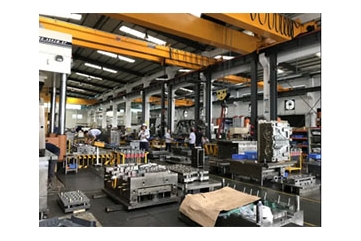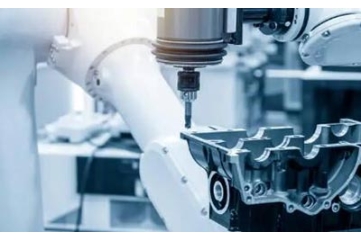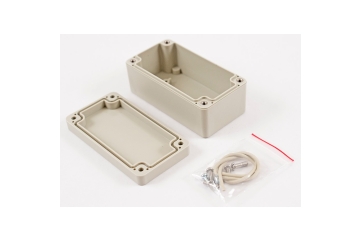

What is plastic die casting?
Plastic die casting, more commonly referred to as plastic injection molding, is a manufacturing process used to produce large quantities of identical plastic parts. Here’s an overview of the process:
1. Material preparation: Plastic pellets or granules are fed into a hopper.
2. Melting: The plastic is heated and melted in a barrel using a rotating screw.
3. Injection: The molten plastic is injected at high pressure into a metal mold (die) through a nozzle.
4. Cooling: The plastic cools and solidifies inside the mold, taking its shape.
5. Ejection: The mold opens, and the finished part is ejected.
6. Repeat: The process is repeated for the next part.
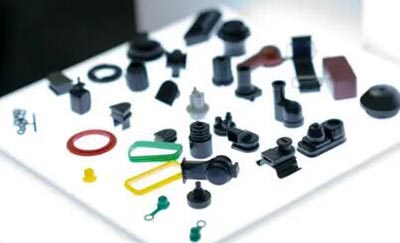
Key features of plastic injection molding:
– High production rates
– Low labor costs
– Minimal scrap losses
– Little to no finishing required
– Ability to produce complex shapes
– Consistent part weight and quality
This process is used to create a wide variety of products, from small components like bottle caps to larger items such as automotive parts or furniture. It’s an efficient and cost-effective method for mass-producing plastic parts with high precision and repeatability.