
What is a die casting process?
Die casting is a manufacturing process in which molten metal is forced into a mold cavity under high pressure. This process is widely used for producing metal parts with complex shapes and tight tolerances. Here’s a detailed overview of the die casting process:
Mold Preparation: A die (mold) is created, typically from steel, consisting of two halves (the cover die and the ejector die) that form a cavity in the shape of the desired part. These dies are designed to allow precise replication of the part’s features.
Clamping: The two halves of the die are securely clamped together using a die casting machine. The die must be tightly closed to withstand the high pressures used in the process.
Injection: Molten metal, usually non-ferrous metals such as aluminum, zinc, or magnesium, is injected into the die cavity at high speed and high pressure. The pressure ensures that the molten metal fills the entire mold cavity, including intricate details and thin walls.
Cooling: Once the mold is filled, the metal is allowed to cool and solidify. The cooling time depends on the type of metal and the complexity of the part. The die is often cooled with water or other cooling methods to speed up this process.
Ejection: After the metal has solidified, the die is opened, and the finished part is ejected using ejector pins. The part is typically removed quickly to prepare the die for the next cycle.
Trimming: The part may have excess material, such as flash (extra metal that escapes from the die during casting). This excess material is trimmed off to achieve the final desired shape and finish.

Advantages of Die Casting:
High Precision: Die casting produces parts with excellent dimensional accuracy and smooth surface finishes.
High Production Rate: The process is highly efficient, allowing for the rapid production of a large number of parts.
Complex Shapes: Die casting can produce complex geometries that would be difficult or impossible with other manufacturing processes.
Strength and Weight: Parts produced by die casting are typically strong and can be designed to be lightweight.
Applications:
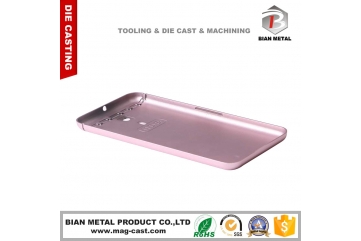
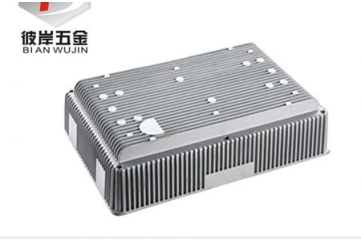
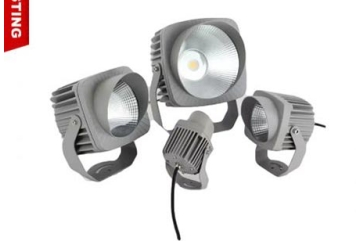
Die casting is used in various industries, including automotive (engine components, transmission cases), consumer electronics (housings, frames), appliances, and many other sectors requiring high-quality metal parts.
Overall, die casting is a versatile and efficient manufacturing process suitable for producing high-volume, high-precision metal parts.