
What does it mean to die cast?
Die casting is a manufacturing process used to produce metal parts with complex shapes and high dimensional accuracy. It involves forcing molten metal under high pressure into a mold cavity. Here are the key steps and concepts in the die casting process:
1.Mold Preparation: The mold, typically made from steel and called a die, is prepared and coated with a lubricant to facilitate the removal of the finished part and to control the temperature.
2.Injection: Molten metal (usually non-ferrous metals like aluminum, zinc, magnesium, or copper) is injected into the mold under high pressure. This pressure ensures that the molten metal fills the entire mold cavity, including any intricate details.
3.Cooling: Once the mold is filled, the metal is allowed to cool and solidify. The cooling time can vary based on the metal used and the complexity of the part.
4.Ejection: After solidification, the die is opened, and the cast part is ejected. Ejector pins are often used to push the part out of the die.
5.Trimming: The part may have excess material, known as flash, which needs to be trimmed off. This can be done manually or using trimming presses.
Advantages of Die Casting
High Production Rates: Die casting is suitable for high-volume production runs because it can produce a large number of parts quickly.
Complex Shapes: It allows for the creation of complex shapes with tight tolerances and smooth surfaces.
Strength and Durability: Die-cast parts have good mechanical properties and are often stronger than plastic parts of similar dimensions.
Economical: Once the dies are made, the per-part cost can be very low, especially in high-volume production.
Types of Die Casting
Hot-Chamber Die Casting: Suitable for metals with low melting points, such as zinc, magnesium, and lead. The injection mechanism is submerged in the molten metal, which makes the process fast but limits it to metals that don’t corrode the injection system.
Cold-Chamber Die Casting: Used for metals with higher melting points like aluminum and copper. The molten metal is poured into a chamber and then injected into the die. This method is slower but can handle metals that are not suitable for hot-chamber die casting.
Applications
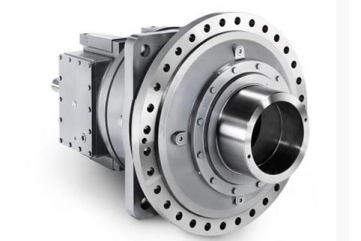
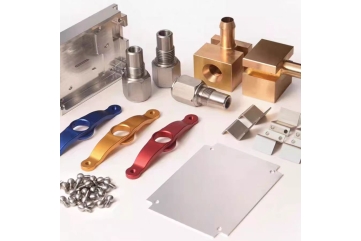
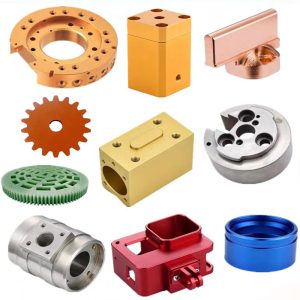
Die casting is widely used in various industries, including automotive, aerospace, consumer electronics, and appliances, due to its ability to produce high-quality, complex parts efficiently. Common examples include engine blocks, gearbox housings, and various hardware components.
Conclusion
Die casting is a highly efficient and versatile manufacturing process, offering significant advantages for producing metal parts with precision and strength. Whether you’re looking to manufacture small, detailed components or large, durable parts, die casting can be an excellent choice.