
What are the disadvantages of die casting?
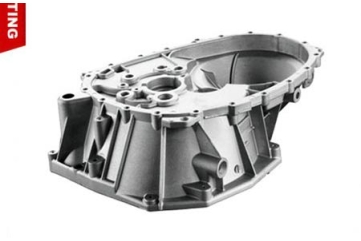
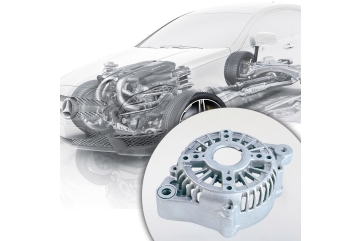
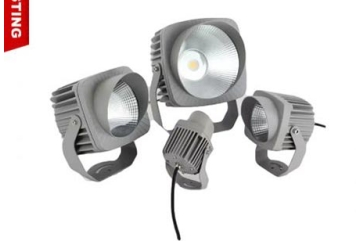
Die casting is a metal casting process that involves forcing molten metal into a mold cavity under high pressure. While die casting offers several advantages, it also has some disadvantages. Here are some of the main disadvantages of die casting:
High Initial Tooling and Equipment Costs:
The molds used in die casting are typically made of durable materials, such as steel. The high cost of designing and manufacturing these molds can be a significant barrier, especially for small-scale production or prototypes.
Limited Material Choices:
Die casting is most commonly used with non-ferrous metals, such as aluminum, zinc, and magnesium. This limits the range of materials that can be used in the process compared to other casting methods.
Part Size Limitations:
Die casting is generally more suitable for smaller to medium-sized parts. Larger parts may require specialized equipment and larger machines, increasing costs and complexity.
Surface Porosity:
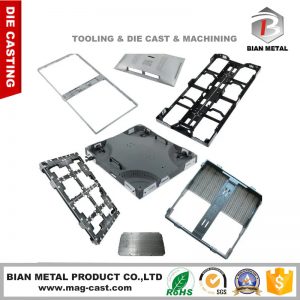
It can be challenging to achieve a completely porosity-free surface in die-cast parts. Trapped air or gases during the casting process can lead to porosity, affecting the mechanical properties and aesthetics of the final product.
Limited Complexity of Shapes:
While die casting allows for the production of complex shapes with high precision, there are still limitations compared to other manufacturing processes like injection molding. Some intricate geometries may be challenging to achieve.
Tight Tolerances and Surface Finish Challenges:
Achieving very tight tolerances and high-quality surface finishes may require additional post-processing steps, such as machining or polishing, adding to the overall cost and production time.
High Operating Pressures:
The high pressures involved in die casting can result in wear and tear on molds and equipment, leading to maintenance and replacement costs over time.
Environmental Impact:
The process involves melting metals at high temperatures, consuming a significant amount of energy. The environmental impact of die casting is a concern, especially if the energy used comes from non-renewable sources.
Limited Design Changes:
Once the die is created, making design changes to the product can be challenging and costly. This lack of flexibility can be a drawback in situations where design modifications are frequently required.
Despite these disadvantages, die casting remains a widely used manufacturing process, particularly for applications where high production volumes, tight tolerances, and excellent surface finishes are essential. Advances in technology and process improvements continue to address some of these challenges over time.